Construction Shrink Wrap: Beating the Seattle Winter
In the Pacific Northwest, rain writes the schedule. For developers and General Contractors, the “Big Dark” is a nightmare for deadlines. While traditional tarps are a cheap band-aid that eventually rips, professional construction shrink wrap is the only real fix. By creating a drum-tight, waterproof barrier around your Seattle scaffolding, we effectively weather-proof the job site, ensuring work continues regardless of the forecast.
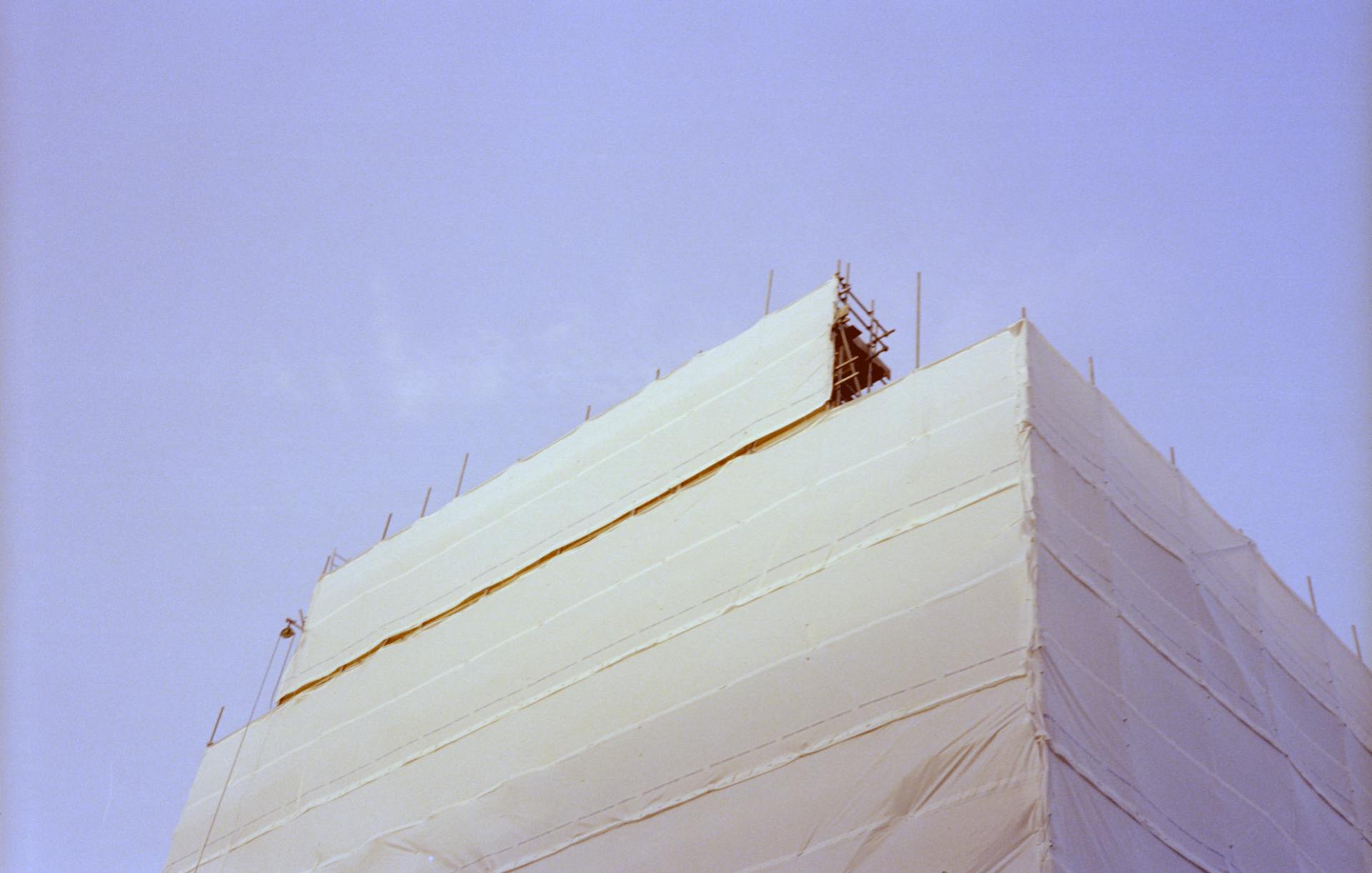
High-rise building with construction shrink wrap and Seattle scaffolding protection during winter
The Scaffolding Connection
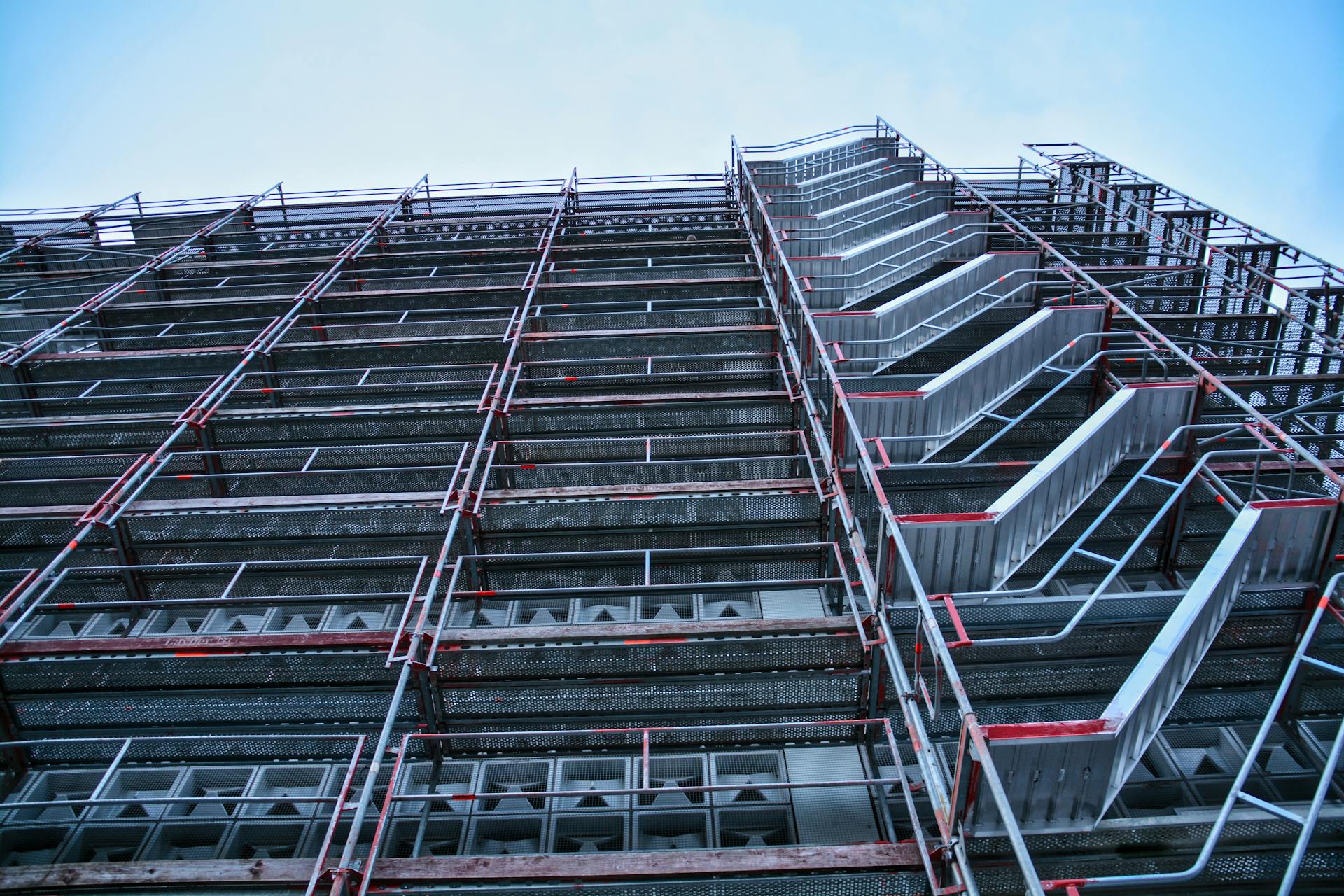
You can’t just wrap any structure. Shrink wrap acts like a giant sail, so the scaffolding rental underneath must be engineered to handle that wind load. Unlike loose tarps, shrink wrap is heat-sealed to the frame, creating a seamless skin. Whether it’s a small façade renovation or a high-rise project, the scaffold design needs calculated tie-ins and counterweights to ensure stability. Experienced scaffolding providers in Seattle know how to integrate the wrap to turn a cold, wet deck into a climate-controlled environment.
Saving Roofing Projects
Roofers take the biggest risks in our climate. Exposing a building’s substrate during a tear-off can be disastrous. A single day of heavy rain leads to water damage and expensive claims.
<img src=”shrink-wrap-roofing-application.jpg” alt=”Roofing contractors in Seattle applying heat sealed shrink wrap for temporary roof protection”>
Implementing a full temporary enclosure allows commercial roofing teams to remove old materials and install new systems in a bone-dry environment. This is critical for flat roof assemblies where ponding water is a killer. By using a full enclosure, roof repair specialists guarantee the integrity of the installation—no trapped moisture, no callbacks, and no weather delays.
Public Safety & Curb Appeal
In dense neighborhoods like Downtown or Capitol Hill, you have to protect the public. When heavy rains hit, runoff and debris can turn the sidewalk into a hazard. Combining a sidewalk shed with vertical shrink wrap creates a “cocoon” that keeps dust and debris inside and pedestrians dry outside. When planning your scaffolding rental, remember that a well-wrapped site looks professional. It signals to the community that you prioritize safety, replacing the chaotic look of exposed beams with a clean, white façade.
Permits: Don’t Get Shut Down
Erecting a fully wrapped structure requires navigating the City of Seattle’s rules. Because of the added wind loads, a Seattle Street Use Permit is non-negotiable. SDOT (Seattle Department of Transportation) requires specific structural calculations verifying that the scaffold won’t tip over when the wind hits the wrap. Before you sign a contract, ensure your scaffolding partner handles the engineering and permitting. Failure to secure the right SDOT permits leads to Stop Work Orders and fines. We know the process and ensure administrative hurdles don’t become physical roadblocks.
Cost vs. Downtime: The Real Math
Some project managers hesitate at the upfront cost of wrapping. But you have to weigh that against the cost of downtime. Calculate the daily “burn rate” of a stalled site: equipment rentals, labor costs, and penalties for missed deadlines. If a scaffold rental with shrink wrap costs a fraction of a two-week rain delay, the investment pays for itself immediately. Plus, a heated, wrapped environment boosts morale and efficiency. Workers aren’t battling freezing rain or slippery surfaces, leading to higher quality work and faster completion. For General Contractors in Seattle, shrink wrap isn’t just an expense—it’s an insurance policy against the weather.
Conclusion
In the competitive Seattle market, reliability is everything. Clients expect on-time delivery, rain or shine. By combining high-quality engineered scaffolding with professional shrink wrap, you create a predictable, safe workspace. From sidewalk protection to sensitive roofing jobs, weatherproofing is a strategic necessity. Prioritize the right equipment, secure your permits, and turn the weather from a problem into a competitive advantage.